Why Night Can Feel So Hard to End
For many people with adult ADHD, a little daytime rhythm can be rebuilt with small actions, short goals, alarms, and outside reminders. Then night arrives, and everything gets slippery again.
You planned to sleep earlier, but once the day gets quiet, your brain starts looking for something easy, fast, and rewarding. One more video becomes another episode. A quick check of your phone turns into an hour. This is not a character flaw. ADHD bedtime procrastination often grows from a tired brain trying to get a final dose of choice, stimulation, and control.
From Just a Little Longer to Wide Awake
The night often breaks down in small steps, not one dramatic decision. It can look like this:
Short videos replace wind-down.
Tired but wired; a show or game starts.
Too late, already off track, keep going.
Exhausted, guilty, alert, still unable to settle.
Rhythm disrupted; self-blame returns.
A softer ending window can be 10:00-11:00: close tabs, start a quiet buffer, wash up, do one sensory cue, then get into bed. The window leaves room for real life, so one delay does not have to become a full collapse.
Your Brain May Be Missing an Ending Signal
During the day, tasks usually come with outside signals. Meetings begin, messages arrive, and deadlines create pressure. At night, those signals disappear. There is no clear bell telling your brain that the day is complete.
For an ADHD brain, that open-ended feeling can be difficult. Executive dysfunction and time blindness can make it harder to notice when "later" has turned into midnight. A bedtime routine works best when it does not depend on willpower alone. It needs cues your brain can actually feel: light, sound, movement, touch, and repeated order.
Build a Gentle Shutdown Flow
ADHD brains are not always good at automatic shutdown. Instead of asking yourself to suddenly be sleepy, give your brain a small sequence it can recognize.
Step 1
First cue
Try
Pick one tiny stop signal
- Close the laptop and turn off the main light.
- Put tomorrow's clothes where morning brain can see them.
Step 2
Buffer
Try
Let your brain turn slowly
- Start the same quiet playlist instead of choosing new content.
- Do skincare while the phone charges away from the pillow.
Step 3
Endpoint
Try
Add one real sensory finish
- Make a warm drink and leave the cup by the bed.
- Take three slow breaths after the room gets dim.
The exact actions matter less than the repetition. Keep them low-pressure, low-decision, and in the same order so your brain can start connecting the sequence with "today is ending."
How Vingoals Helps Make Night Feel More Finishable
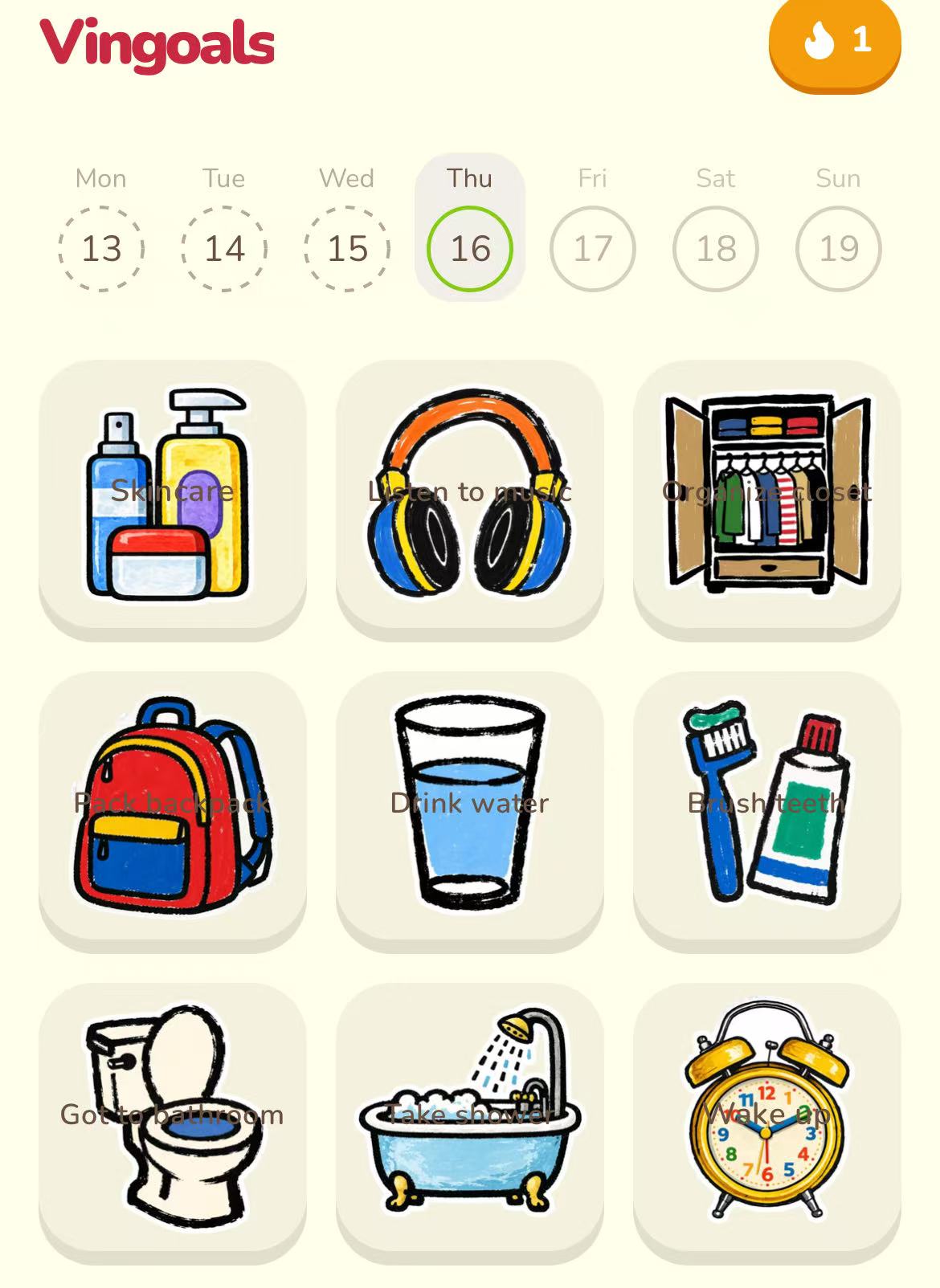
When a night routine stays in your head, every step competes with every other step. A visual ADHD checklist app like Vingoals helps turn that blurry ending into visible squares.
This board mixes night shutdown actions with tiny setup cues for tomorrow morning.
A board like this can make the next step visible:
- Skincare
- Listen to music
- Prepare tomorrow's clothes
- Pack backpack
- Drink water
- Brush teeth
- Go to bathroom
- Take shower
- Set alarm
The point is not to turn sleep into another productivity project. It is to make the next gentle step easier to see when your brain is tired.
For ADHD coping strategies, visual reminders can lower the pressure. The board can work like a gentle ADHD habit tracker: not a test, just the next square when working memory is tired.
Start with one tiny win today
You do not have to force your brain to end the day all at once.
Give it a few repeated cues, then let rest become more familiar.
More real stories
See all stories
What Is ADHD? Why Starting Tasks Can Feel So Hard
ADHD is not laziness. Executive dysfunction and ADHD paralysis can make starting hard when the first step is too vague.
Read story
ADHD-Friendly Organizing: Make Things Easier to Put Away
For ADHD, organizing often fails when every object asks for a decision. A visible home for everyday things can make putting them away less exhausting.
Read story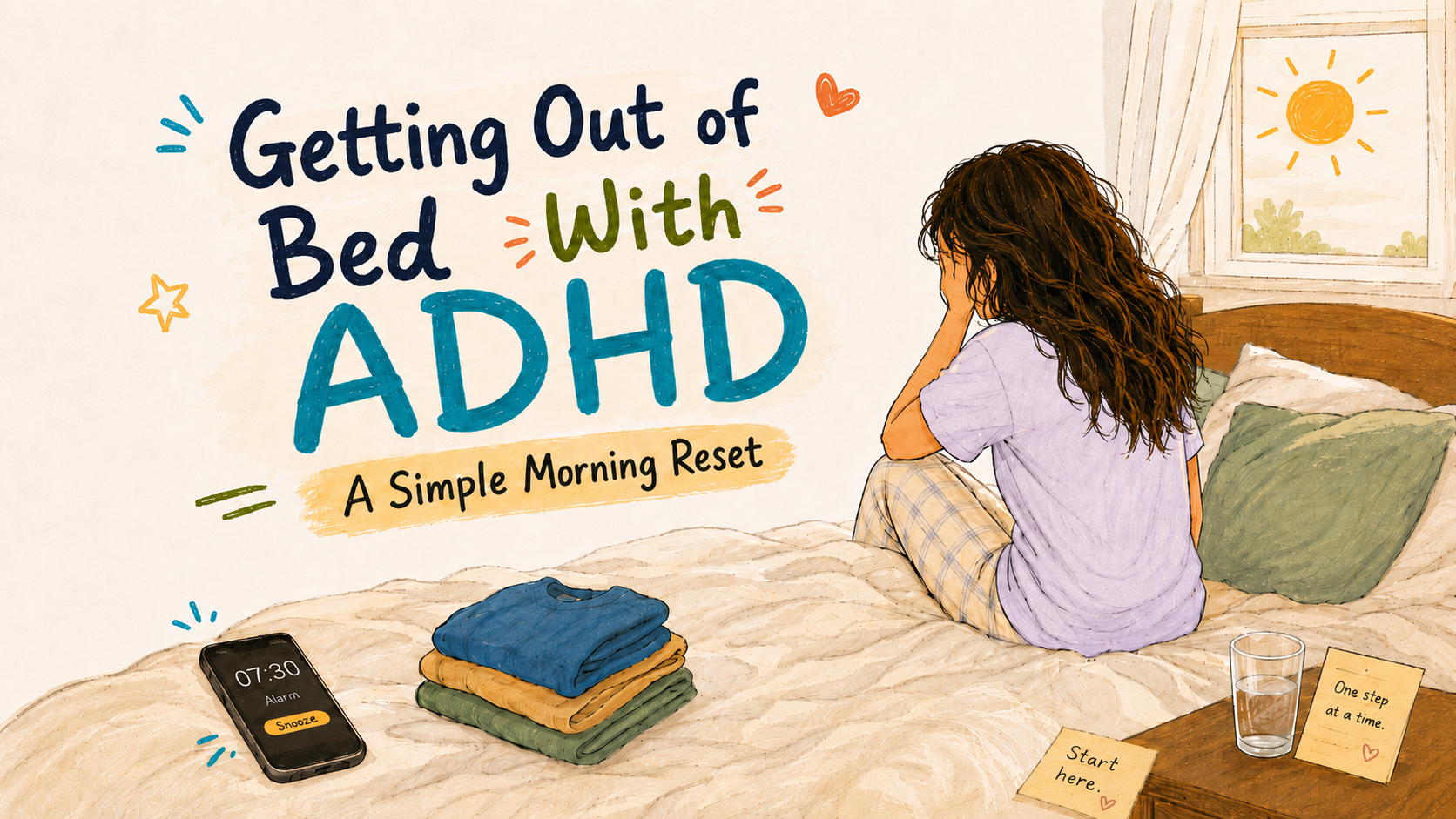
ADHD Morning Routine Reset
Getting out of bed with ADHD can feel like a whole task chain. A softer morning routine can help you restart without shame.
Read story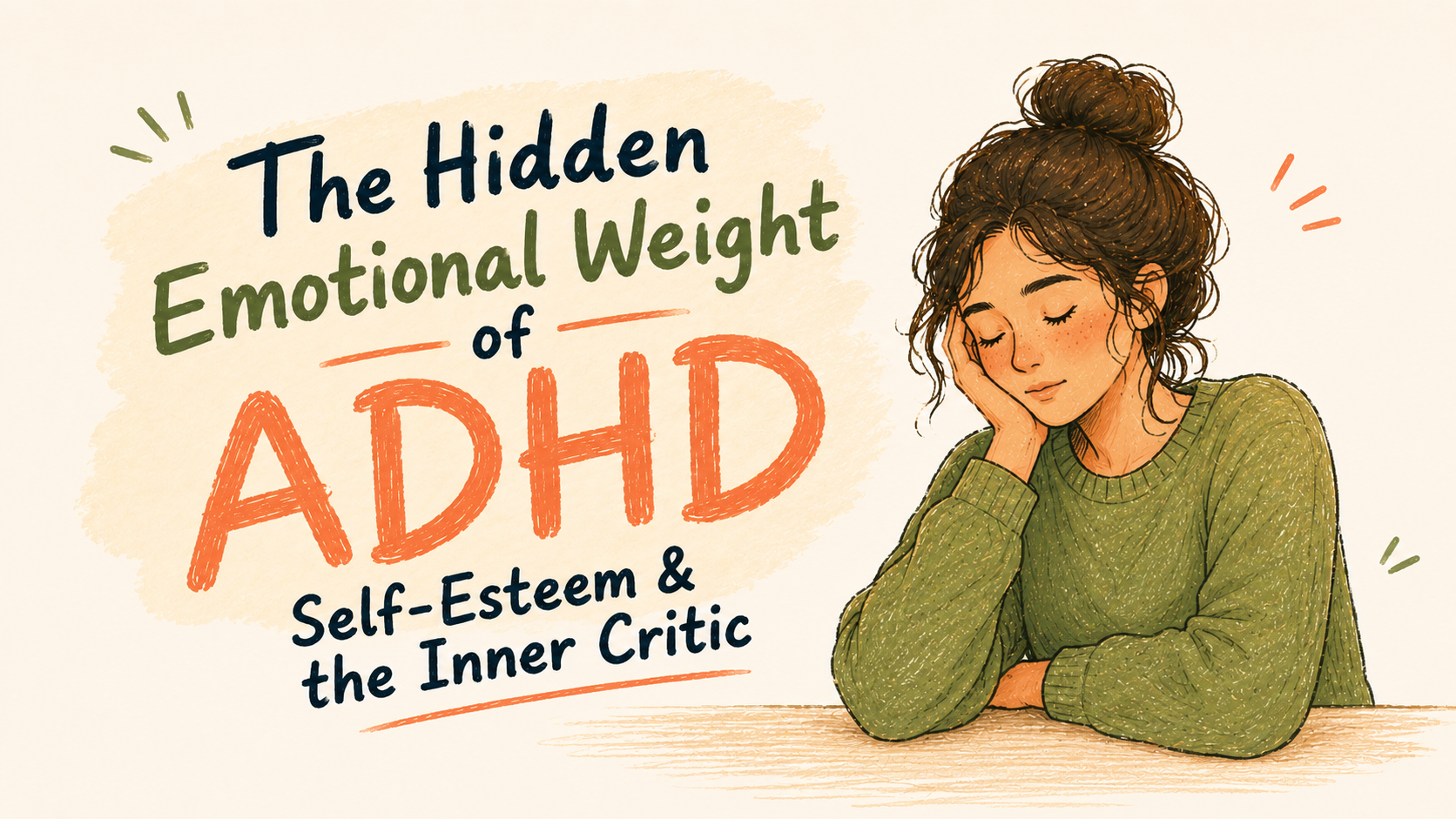
The Hidden Emotional Weight of ADHD
ADHD self-esteem can be shaped by shame, self-criticism, and the hard moments after a mistake. A kinder voice can help you recover.
Read story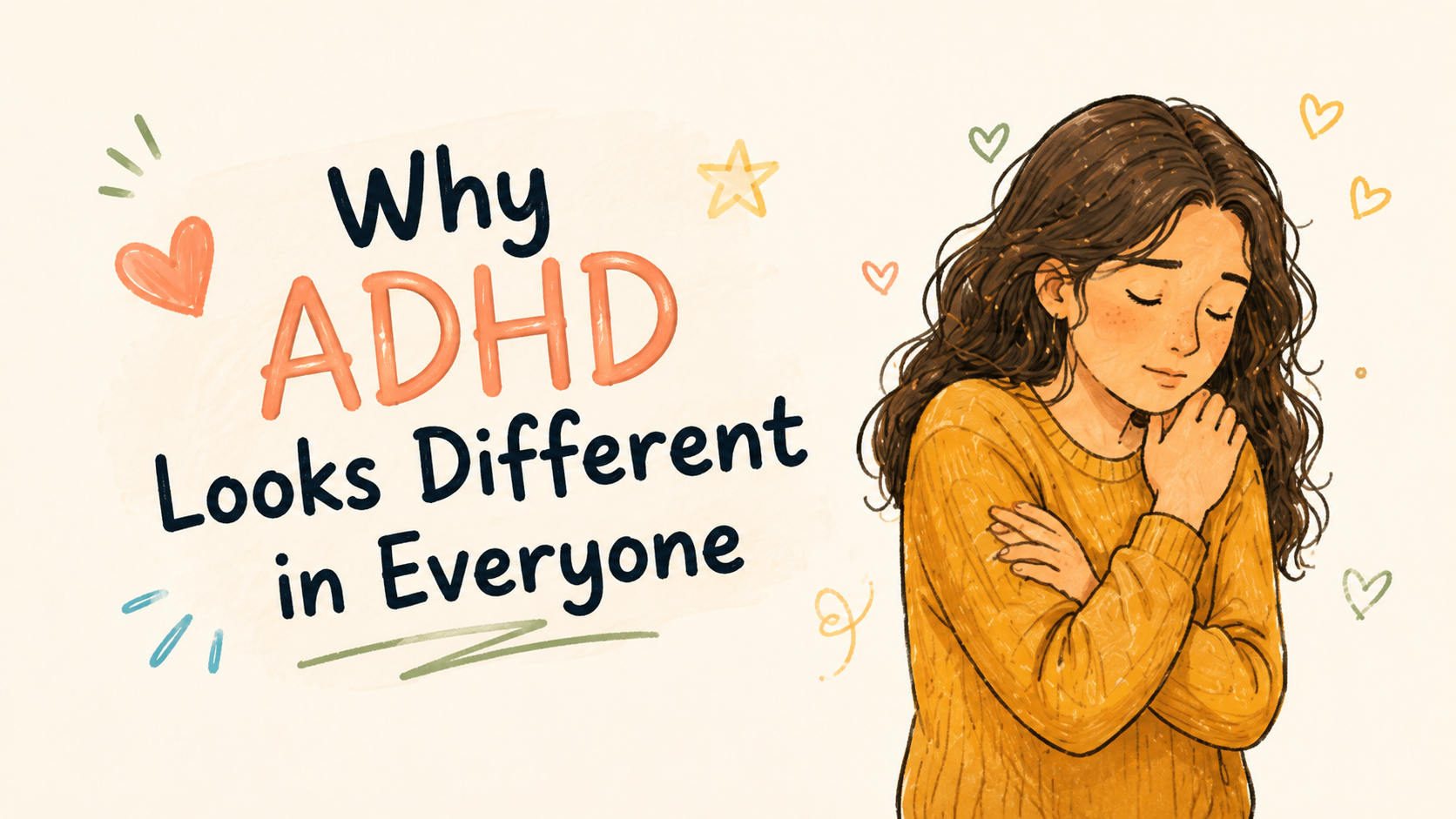
Why ADHD Looks Different in Everyone
ADHD can look restless, quiet, overwhelmed, impulsive, or hidden. The support that helps most depends on how it shows up in your real life.
Read story
Freelancing With ADHD: Why Open-Ended Workdays Feel So Hard
Freelance freedom helped Maya work on her own terms, but open-ended workdays made starting hard. A smaller ADHD freelance routine helped her begin.
Read story
Living Alone With ADHD: Small Visible Steps That Make Life Easier
Living alone with ADHD made daily care feel heavy for CC. Small visible steps helped make the day feel lighter, clearer, and easier to restart.
Read story
How to Study With ADHD Without Getting Stuck Before You Start
Studying with ADHD can feel hard before the studying even begins. Ashley used small visible steps to move through ADHD paralysis.
Read story